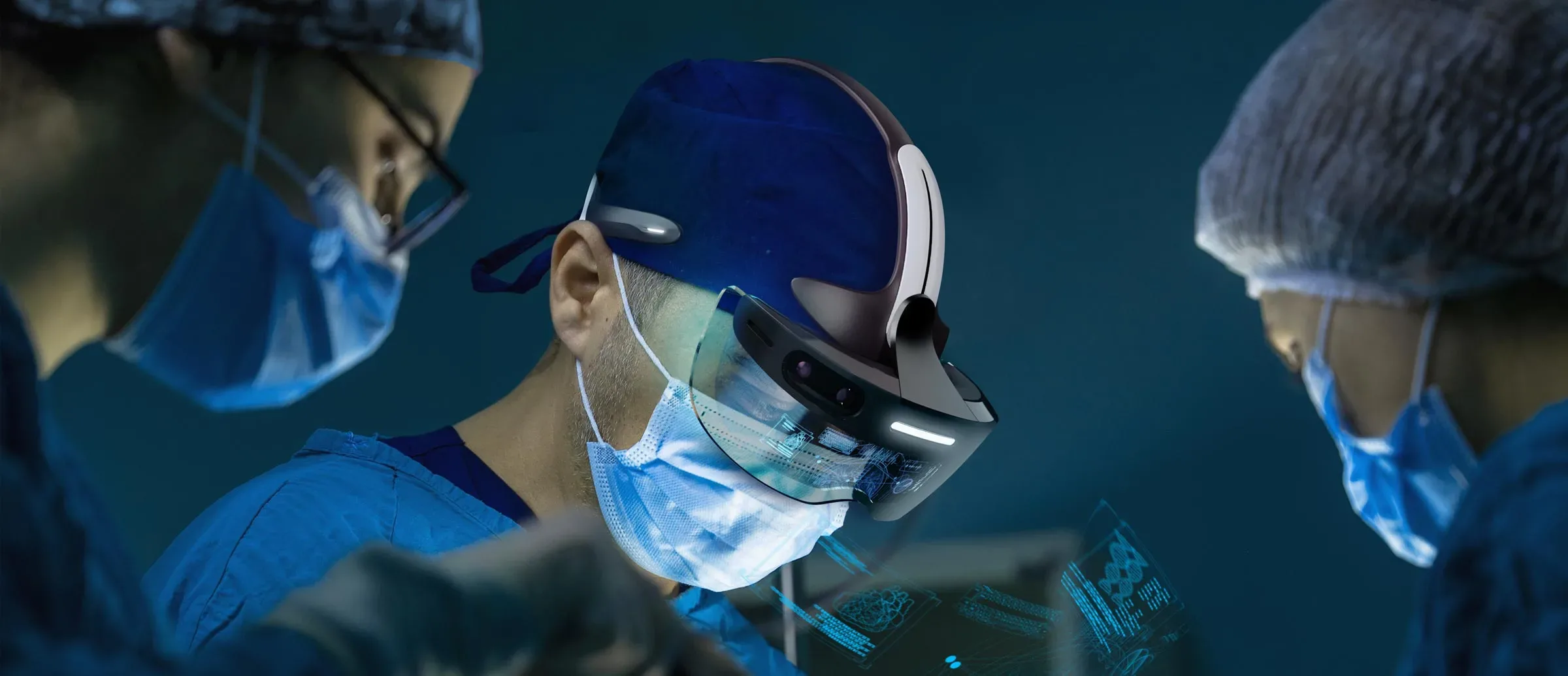
Medical Device Design Services
The medical technology industry is rapidly evolving, with new devices and innovations reshaping the healthcare landscape. As a professional in the field of device design, development, or engineering, you understand the importance of staying ahead of these advancements to create cutting-edge products that will revolutionise healthcare. With the growing demand for advanced medical devices and increased competition in the market, it has become crucial to partner with reliable and experienced medical device design services.
In this article, we explore the key benefits of outsourced medical device design services, from scaling development resources and improving efficiency to enhancing safety, compliance and the overall user experience. Whether you are a start-up launching a first concept or an established company expanding your portfolio, the right design partner can play a vital role in delivering successful healthcare innovation.
An Introduction to the Importance of Medical Device Design and Its Impact on the Healthcare Industry
Medical device design goes beyond creating a product or digital service. It’s about discovering innovative ways to inspire and enhance the healthcare industry, offering fresh ideas to tackle complex issues and mitigate risks. Designing medical devices that doctors and patients can trust and desire is crucial. This level of trust is only achieved when medical devices are designed with flawed humans in mind, applying ample empathy to allow for adaptation and evolution as needed. Given the rapid pace of technological advancements in healthcare, human-centred medical device design is more vital than ever. By understanding the needs of patients and the healthcare industry, and working closely with doctors, we can create medical devices that have a profound impact on people’s lives.
What Medical Device Design Services Entail & Why They’re Neccessary
Medical device design services involve the end-to-end development of physical devices that prioritise the needs of the people who use them, while meeting the highest standards of safety, usability and compliance. These services are crucial not only to meet regulatory requirements and provide effective solutions to complex health issues, but most importantly, to ensure the devices are actually used and valued. By following a systematic, thorough, and reliable approach to design, we can create medical devices that inspire confidence and desirability.
Alongside regulatory compliance, medical device design services also focus on ergonomics, ease of use and relevance within everyday clinical environments. For this reason, investing in an experienced medical device design company is crucial for manufacturers looking to develop products that improve patient care while maintaining safety, efficiency and commercial viability.
The Process of Designing a Medical Device
Designing a medical device is a highly iterative process that combines research, product development, prototyping, testing and regulatory approval. To succeed, a device must balance desirability for users, commercial viability for the business, and technical feasibility for manufacture and performance.
Early stages often involve reviewing clinical insights, analysing market opportunities, understanding user needs and gathering feedback from stakeholders such as clinicians, patients and procurement teams. These insights help shape a product concept that addresses genuine challenges within healthcare environments.
Early stages often involve reviewing clinical insights, analysing market opportunities, understanding user needs and gathering feedback from stakeholders such as clinicians, patients and procurement teams. These insights help shape a product concept that addresses genuine challenges within healthcare environments.
When approached correctly, medical device design services can deliver products that make a meaningful difference to diagnosis, treatment and patient wellbeing.
The Benefits of Using Professional Medical Device Design Services
When developing healthcare products, efficiency and regulatory compliance are essential. Working with a specialist provider of medical device design services can offer significant advantages that may not always be available through in-house teams alone.
Experienced consultancies bring an impartial perspective and independent expertise, helping businesses challenge assumptions, uncover new opportunities and refine products for their intended use. Professional medical device design services also ensure that devices are developed with usability, manufacturability and regulatory requirements in mind from the outset.
By partnering with medical design experts, companies can improve efficiency, strengthen compliance and gain confidence that their products are being developed by experienced specialists with a proven track record.
Successful Medical Devices Designed by an Experienced Company
Medical devices developed through experienced medical device design services can have a profound impact on patients, clinicians and the wider healthcare sector.
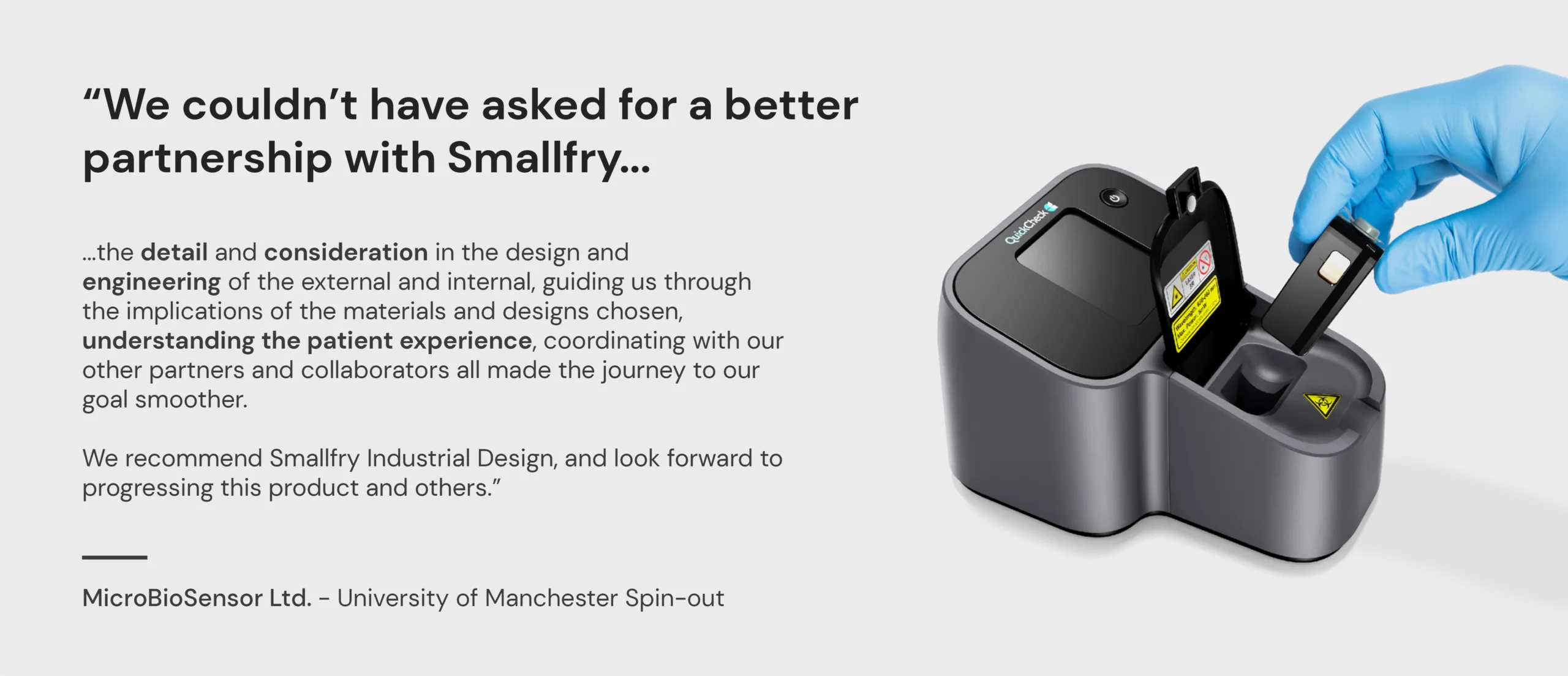
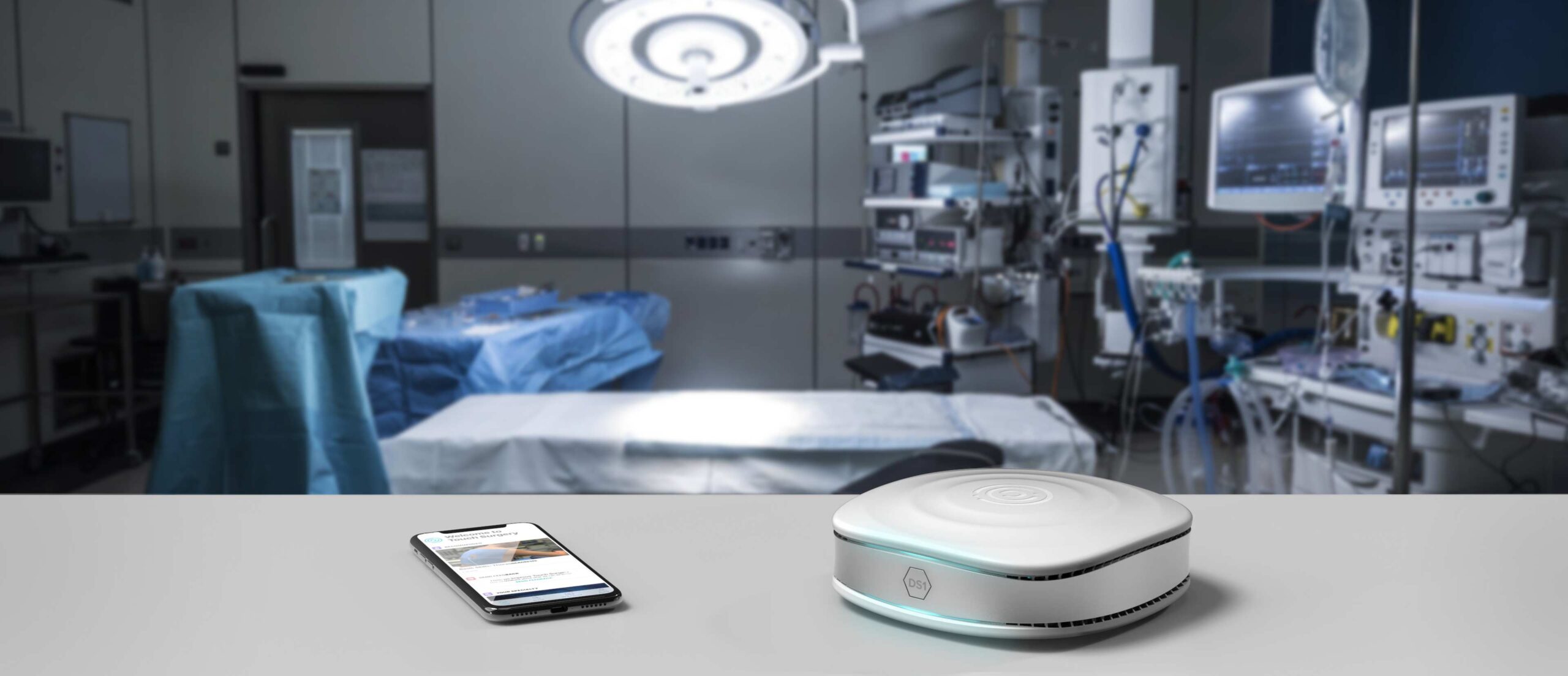
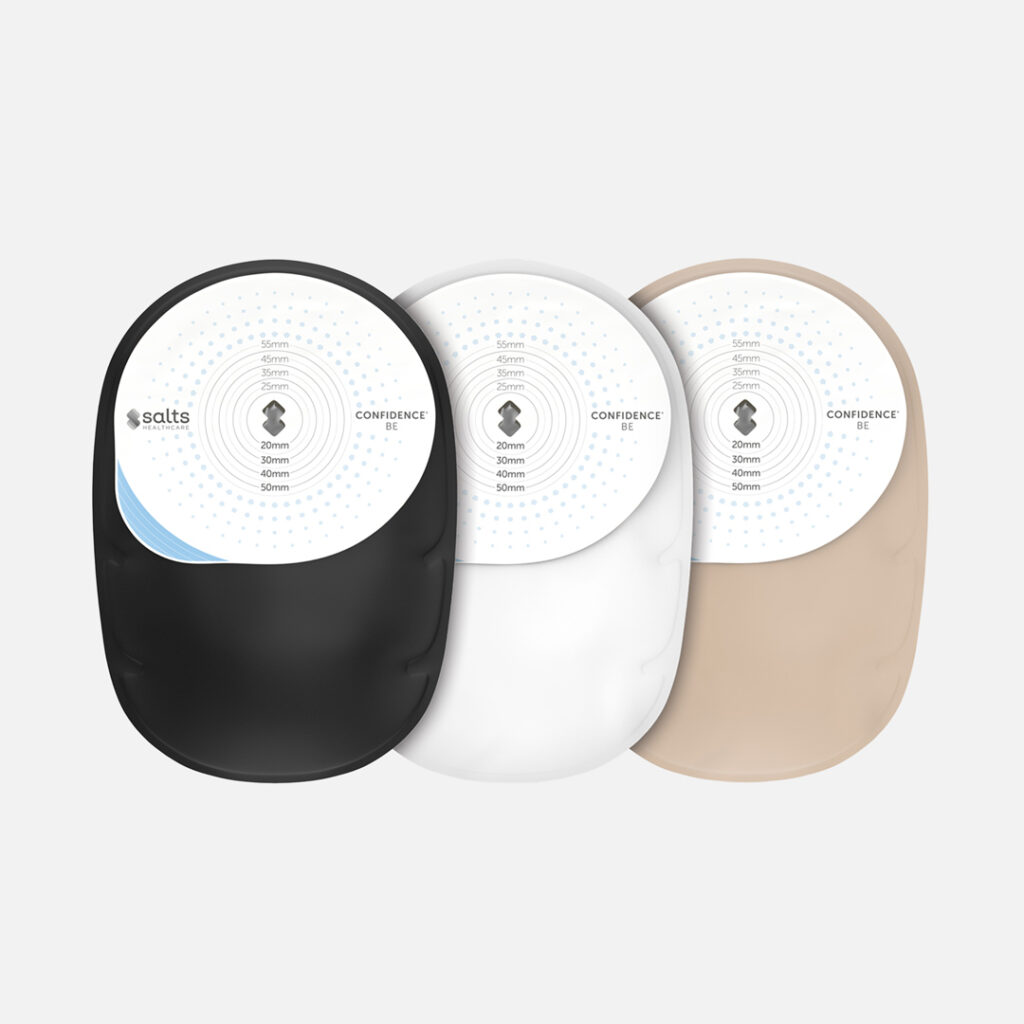
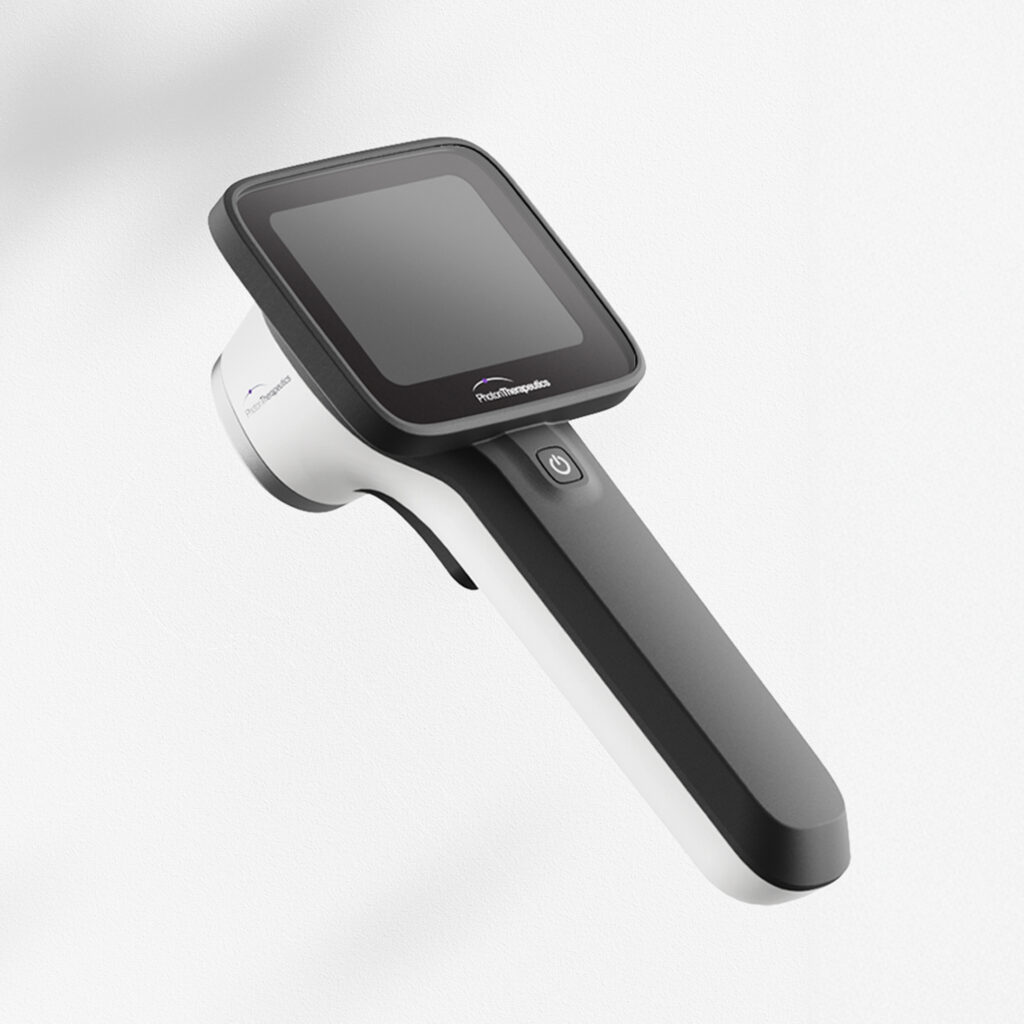
At Smallfry, projects such as Quanta and QuickCheck demonstrate how thoughtful medical device design services can help transform complex healthcare challenges into practical, user-friendly solutions. By focusing on intuitive operation, clear user interaction and dependable performance, these devices can provide reassurance for both healthcare professionals and patients.
Prioritising the patient and clinician experience throughout the design process enables better adoption, smoother workflows and stronger trust in the product. Case studies like these show that investing in high-quality medical device design services can deliver measurable benefits for patient care, operational efficiency and long-term commercial success.
Factors to Consider When Choosing a Medical Device Design Service Provider
Choosing the right provider of medical device design services is crucial for ensuring your product meets safety, usability and performance standards, while also addressing the needs of patients, clinicians and healthcare organisations. The right partner can reduce development risk, streamline progress and improve the likelihood of commercial success.
When evaluating potential providers of medical device design services, consider the following:
- Sector expertise – experience in healthcare products, clinical environments and relevant regulations.
- Proven track record – successful past projects that demonstrate reliable delivery and results.
- User-centred design capability – a strong focus on the needs of patients, clinicians and carers.
- Engineering and manufacturing knowledge – the ability to design products ready for efficient production.
- Regulatory understanding – awareness of compliance requirements and risk management processes.
- Portfolio quality – evidence of innovation, problem-solving and commercially successful outcomes.
- Collaborative approach – clear communication and the ability to work closely with your internal team.
Ultimately, selecting the right medical device design services partner can support faster approvals, stronger products and better business outcomes.
Common Challenges in the Medical Device Design Process & How Professional Services Can Help Overcome Them
Designing a medical device requires more than just technical know-how. From regulatory compliance to stakeholder communication, the complete design process comes with a unique set of challenges that can overwhelm even the most adept designers. Understanding these challenges is the first step toward overcoming them. Clear design requirements and expectations require open communication and an overarching framework to ensure that everyone is aligned. Additionally, the regulatory landscape of medical devices is a constantly evolving minefield, requiring industry expertise and knowledge to navigate successfully. This is where professional design services can make a significant difference in the success of a medical device. Experienced design professionals can guide your team through the complexities of the process, provide the expertise needed to address challenging issues, and free up resources to focus on critical design tasks. By partnering with a professional design service, you can overcome the unique challenges of medical device design and achieve a successful outcome.
The Future of Medical Device Design & How Advancements in Technology Are Impacting the Industry
As the medical industry continues to evolve, so does the technology that powers it. Medical devices play a crucial role in diagnosing, treating and monitoring patients, which is why designing them with optimal functionality can vastly improve healthcare outcomes. From 3D printing to algorithm-powered software, the technological advancements in medical device design are continuously pushing boundaries. However, with these advancements come new challenges, such as ensuring the safety and efficacy of these devices, regulatory compliances, and addressing ethical concerns about data privacy. As designers continue to work hand-in-hand with medical professionals to develop new and improved devices, the industry must stay vigilant in ensuring that technology is being harnessed for the good and that patients are always at the center of innovation. Ultimately, the future of medical device design is exciting, and the possibilities are limitless.
The Importance of Investing in High-Quality Medical Device Design Services
In the healthcare industry, investing in high-quality medical device design services is paramount for ensuring better patient outcomes and overall success. As a healthcare provider, it is essential to have empathy for people and prioritise their quality of life and care. High-quality medical devices play a pivotal role in this regard, enabling care teams to deliver compassionate and reassuring care to patients. By investing in quality medical device design services, healthcare providers can rest assured that their patients are receiving the best possible care, tailored to their unique needs. Ultimately, it is this shared commitment to caring and compassion that can help to advance patient health and well-being across the board.
In conclusion, the design of medical devices plays a crucial role in the healthcare industry. It not only impacts patient outcomes but also affects the success and efficiency of healthcare organisations. As discussed, professional medical device design services offer a wide range of benefits such as improved efficiency, cost-effectiveness, and compliance with regulations. The process of designing a medical device may seem daunting, but with the right service provider by your side, it can be streamlined and successful. By carefully considering factors such as expertise, experience, and portfolio when choosing a design service provider, you can ensure that your device is in capable hands. Additionally, case studies have shown that experienced companies have a higher success rate in creating innovative and effective medical devices compared to individual or inexperienced designers. However, this does not mean that challenges will not arise during the process. But by utilising professional services, these challenges can be overcome efficiently with minimal impact on the overall project timeline.
Smallfry Provides High-Quality Medical Device Design Services
Looking towards the future of medical device design, we can expect even more advancements in technology to further enhance the quality and effectiveness of these life-saving products. So, if you are considering developing a medical device or looking to improve an existing one, do not hesitate to invest in high-quality design services for better patient outcomes and overall success in the healthcare industry. And if you need some guidance or have any questions regarding medical device design services, we encourage you to take advantage of our commitment-free call invite – simply get in touch with us today!